
Simple Techniques to Calm Anxiety
Index
The Challenge of Calming Anxiety in Modern Life
We live in an era in which everything seems to be accelerated: work responsibilities, social demands and the excess of information to which we are exposed daily mean that the mind rarely finds rest. In this context, it is not surprising that anxiety has become one of the most common discomforts of modern life. The good news is that while anxiety may seem overwhelming, there are simple, natural ways to find calm.
Calming anxiety doesn’t always require complex treatments or big life changes. On many occasions, it is daily habits that make the difference. Techniques such as conscious breathing, mindfulness, physical exercise or even a visit to a spa can help to regain emotional balance and serenity.
The key is to recognize the signals that the body and mind send us, and respond with actions that promote well-being. This article explores different accessible and practical strategies that you can integrate into your day-to-day life. They all have a common goal: to help you calm anxiety, improve your quality of life, and regain a sense of control.
Throughout the following sections you will discover that these are not big sacrifices, but small gestures that, with perseverance, offer surprising results.
Mindful Breathing: An Immediate Method to Calm Anxiety
One of the most powerful and at the same time most forgotten resources is breathing. Breathing deeply and mindfully is one of the simplest and most effective techniques to calm anxiety. When we are stressed, our breathing becomes shallow and rapid, which activates the sympathetic nervous system, which is responsible for the alert response. This can increase feelings of nervousness and tension.
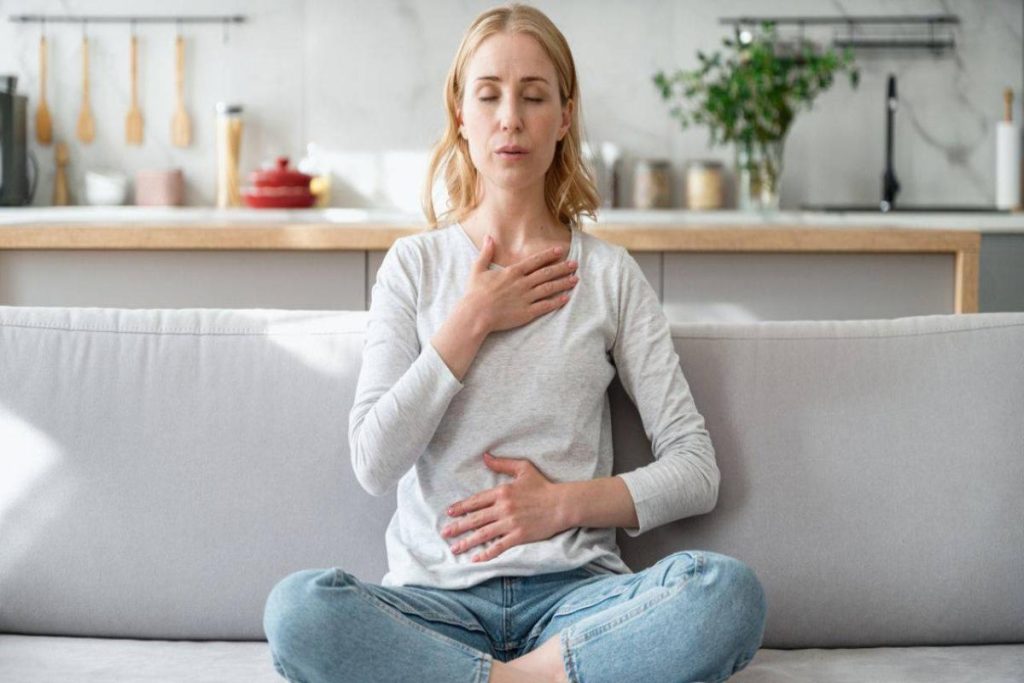
Practicing diaphragmatic breathing is an immediate way to change that state. It consists of inhaling deeply bringing the air to the abdomen, holding for a few seconds and then exhaling slowly. This process activates the parasympathetic nervous system, which is responsible for inducing relaxation and calm.
A simple exercise is the 4-7-8 method: inhale for a count of four, hold your breath for seven seconds, and exhale for eight. Repeating it several times a day generates an immediate calming effect.
The best thing about this technique is that it doesn’t require any special space or equipment. It can be practiced at home, in the office, in the car, or even in the middle of a stressful situation. By making mindful breathing a habit, you train your body to respond with serenity rather than anxiety.
Dedicating a few minutes a day to this practice not only helps calm anxiety, but also improves concentration, reduces blood pressure and promotes deeper rest.
The Power of Meditation and Mindfulness
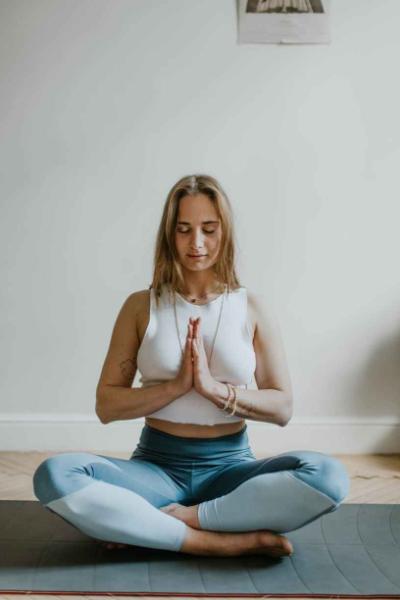
Meditation and mindfulness are increasingly used tools to combat stress and calm anxiety. Contrary to what many think, they do not require long hours or strict discipline to deliver results. A few minutes a day of mindfulness is enough to notice the difference.
Mindfulness is about focusing your mind on the present moment without judgment. The practice focuses on observing thoughts, emotions, and sensations without getting swept up in them. By doing so, the tendency to anticipate problems or relive past situations, two of the main triggers of anxiety, is reduced.
There are many ways to practice it. One option is to sit comfortably, close your eyes, and pay attention to your breathing. Whenever the mind is distracted, it simply recognizes the thought and refocuses on the air coming in and out. It can also be applied in everyday activities such as walking, eating or showering, paying full attention to every detail.
Guided meditation, available on apps and online platforms, is an excellent resource for beginners. Even with 10-minute sessions, the effects are noticeable: reduced muscle tension, greater mental clarity and a feeling of peace.
Calming anxiety through mindfulness is not an instant remedy, but it is a habit that, with constant practice, transforms the way the mind responds to stress.

The environment and aromas: the influence of aromatherapy and the environment
The environment in which we find ourselves plays a fundamental role in emotional well-being. Spaces loaded with noise, clutter, or intense lighting can intensify feelings of anxiety. On the contrary, a calm and harmonious environment helps to calm anxiety in a natural way.
Aromatherapy is one of the most used tools in spas and relaxation centers due to its effectiveness in balancing the mind and emotions. Essential oils such as lavender, jasmine or chamomile have relaxing properties that help reduce tension and generate a state of calm. Inhaling their aroma, applying them in massages or diffusing them in the environment creates an atmosphere of serenity.
In addition to the aromas, soft music and the sounds of nature, such as the sea or the rain, enhance the feeling of peace. These items can be easily incorporated into the home to create a personal refuge from stress.
Order and cleanliness also have a direct impact on the mind. Keeping a space organized conveys security and reduces mental overload. Something as simple as lighting a scented candle and taking a few minutes to rest in a pleasant environment can make all the difference.
A caring environment not only improves mood, it also becomes an essential ally to calm anxiety on a daily basis.
Physical exercise and movement: natural allies to calm anxiety
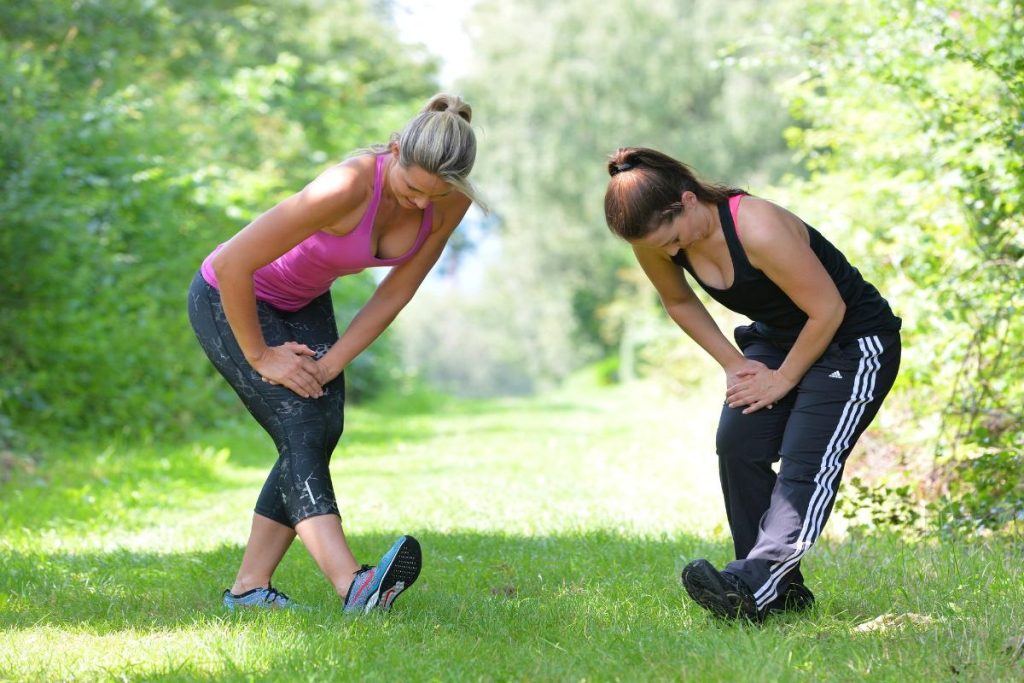
The body and mind are closely connected, and movement is one of the most effective ways to release built-up tension. Physical exercise not only strengthens the body, it is also a natural ally to calm anxiety. When performing physical activity, the brain releases endorphins and serotonin, neurotransmitters related to the feeling of well-being and relaxation.
You don’t need to play high-performance sports to make a profit. Walking outdoors, doing gentle stretches, practicing yoga, or swimming can all make a big difference. These exercises help release pent-up energy, decrease stress, and improve sleep quality.
Yoga, in particular, combines movement, breathing, and mindfulness, making it a well-rounded anxiety-calming practice. Stretches and postures promote muscle relaxation, while deep breathing accompanies the mind towards calm.
Another simple and effective option is to dance. Moving the body with music that transmits joy not only distracts from negative thoughts, it also releases accumulated tensions.
Consistency is key: dedicating at least 30 minutes a day to some light physical activity has a direct impact on reducing anxiety. Beyond the physical, movement connects us to the present, gives us positive energy, and reminds us that the body is a valuable resource to regain tranquility.
The importance of self-care and restful sleep
One of the factors that most influences anxiety levels is a lack of self-care. Living in a fast-paced way, without dedicating time to rest and personal well-being, increases physical and emotional tension. Therefore, establishing routines that promote restful sleep is essential to calm anxiety.
Quality sleep is key. Sleeping between seven and eight hours a night allows the body and mind to regenerate. However, insomnia and worries often make it difficult to rest. Creating a nightly ritual can help: avoiding screens before bed, practicing mindful breathing, and maintaining dim lighting prepares the body for rest.
Self-care also includes activities that nurture well-being, such as reading, taking a relaxing bath, or enjoying a leisurely walk. These small gestures send a positive message to the brain: the body and mind matter, and they need attention.
Dedicating time to oneself is not a luxury, but a necessity. By doing so, internal resources are strengthened to cope with stress. Incorporating breaks during the day, hydrating properly and listening to the body’s needs are simple habits that contribute to calming anxiety in a sustained way.
The help of a spa: a refuge to calm anxiety
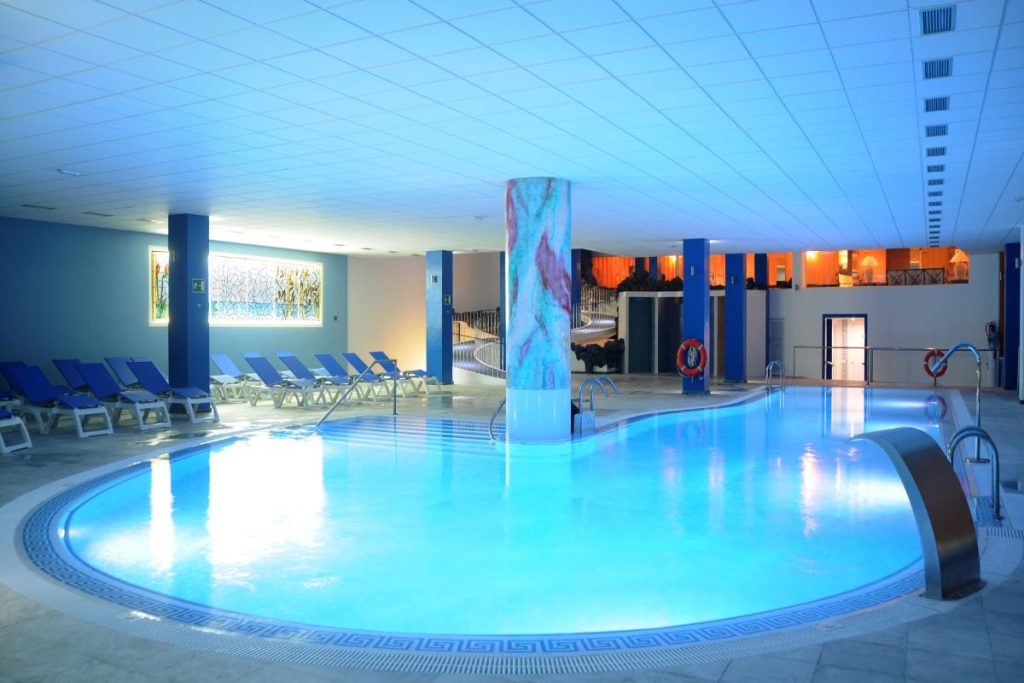
A spa is much more than a place to take care of aesthetics: it is a space designed for comprehensive well-being. In an environment where every detail is designed to relax the mind and body, it is easier to calm anxiety and leave everyday tensions behind.
Spa therapies offer physical and emotional benefits. Massages, for example, not only relieve muscle contractures, they also stimulate the production of endorphins, generating a deep sense of well-being. Hydrotherapy, with hot water baths and pressure jets, promotes circulation and relaxes the nervous system.
Aromatherapy applied in spa treatments further enhances the calming effect, while soft sounds and dim lighting contribute to creating a unique sensory experience. All this makes a spa a perfect refuge to disconnect and recharge energy.
Visiting a spa regularly is not only a moment of pleasure, but an investment in mental health. It’s a reminder that self-care is essential to maintaining balance in the midst of modern life. For those looking to calm anxiety, a spa becomes an unparalleled ally.
Conclusion: Small steps for big changes
Calming anxiety doesn’t have to be an impossible challenge. As we have seen, there are multiple simple techniques that can be integrated into the daily routine: breathing consciously, practicing mindfulness, moving regularly, taking care of the environment, sleeping well or going to a spa. All of these are accessible tools that, when applied consistently, have a significant impact on well-being.
The path to calm does not require radical transformations, but a series of small steps that, added together, generate big changes. Recognizing the importance of self-care, giving yourself moments of rest and taking advantage of the body’s natural resources are decisions that help build a more balanced life.
In short, calming anxiety is possible when you adopt simple habits and take the time to listen to what your body and mind need. With these techniques, anyone can regain peace of mind and enjoy a fuller life.