
How the Environment Influences Your Relaxation
Index
The role of the environment in well-being
Relaxation isn’t just a matter of closing your eyes and taking a deep breath; The place where we are profoundly influences the quality of our rest. How the Environment Influences Your Relaxation is a topic that combines science and sensory experience, as our brain is constantly interpreting what surrounds us. The colors, sounds, aromas, temperature and arrangement of the space can make the difference between feeling really calm or remaining tense without realizing it.
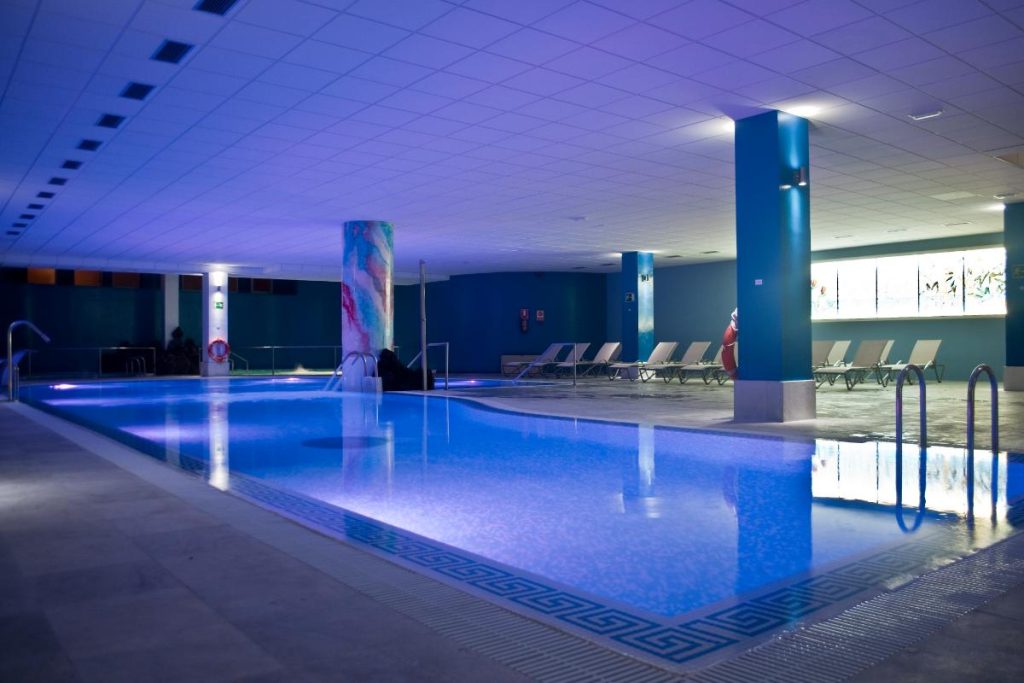
In a spa, the environment is not just a decoration, but an active element that participates in your well-being. Every detail – from the soothing music to the fragrance that hangs in the air – is designed to disconnect the mind from worries and immerse the body in a sense of peace. In Tenerife, surrounded by sea and nature, this connection with the environment is even more powerful, offering a unique setting to revitalise body and mind.
Understanding how the environment influences your relaxation not only helps us to enjoy our spa visits more, but also to recreate that atmosphere at home. The aim is that the harmony we feel in a space designed for our well-being is not an occasional luxury, but an experience that we can prolong in our daily lives.
The connection between mind and environment
Our mind is in constant dialogue with the environment. Even without realizing it, every sound, color, scent, or texture around us sends signals to our brain. These stimuli activate different responses in the nervous system, which can range from deep calm to stress. Therefore, understanding how the environment influences your relaxation is essential to take advantage of it in our favor.
Neuroarchitecture, for example, studies how spaces influence our emotions and behaviors. In a spa, principles are applied that stimulate the production of neurotransmitters such as serotonin and dopamine, associated with well-being. A well-designed environment reduces cortisol levels (the stress hormone) and makes it easier for the mind to enter a state of mindfulness and rest.
In Tenerife, where natural light, the sound of the sea and the scent of native vegetation are part of everyday life, you can easily create an environment that favours calm. A walk along the coast or a while in a quiet garden are simple examples of how the external environment can transform our emotional state. The key is to surround ourselves with stimuli that invite serenity and avoid those that generate tension.
Colours and light: creating atmospheres that calm
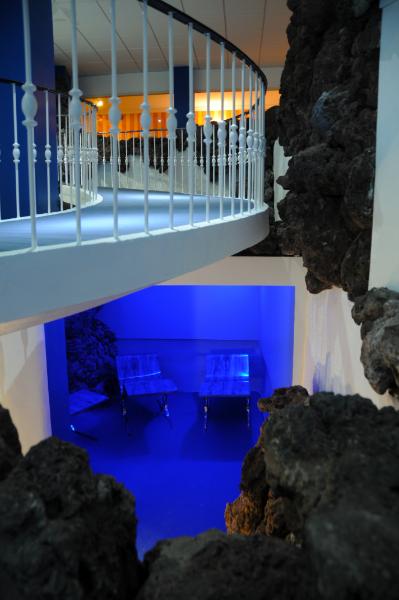
Light and colours don’t just decorate a space: they directly influence our mood. An environment with soft, balanced tones promotes tranquility, while overly bright lights or strident colors can alter the mind. Understanding how the environment influences your relaxation involves recognizing the role that chromotherapy and lighting play in the experience.
In a spa, earth tones, soft greens, blues, and warm whites help generate calm and a sense of cleanliness. Natural light, filtered through curtains or glass, provides a warmth that relaxes the eye. During treatments or massages, dim lighting invites you to close your eyes and let your body sink into a deep rest.
In Tenerife, the sun is a natural ally: taking advantage of its light at dawn or dusk, when it is more golden and soft, can have a profoundly restorative effect. Even at home, choosing bulbs with a warm temperature and avoiding cold lights during rest times is a simple way to improve our well-being. In the end, the right combination of light and color can become a powerful tool for reducing mental and physical strain.

Sounds that transform your experience
The sense of hearing is one of the most sensitive when it comes to inducing states of relaxation or stress. A noisy environment, with sudden or repetitive sounds, can generate muscle tension and increase heart rate. On the other hand, soft melodies, sounds of nature or even controlled silence can slow down the rhythm of our thoughts.
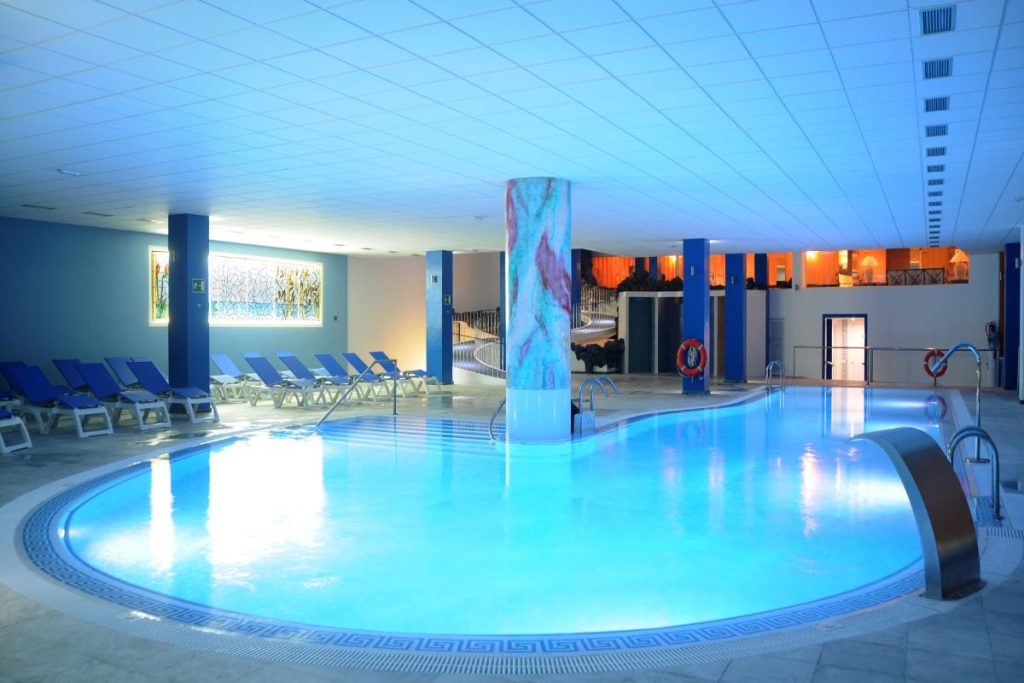
In a spa, every sound is selected to be part of the wellness process. The murmur of water, instrumental music, singing bowls or recordings of ocean waves form an atmosphere that facilitates meditation and rest. Understanding how the environment influences your relaxation means recognizing that the ear also needs acoustic-stress-free spaces.
In Tenerife, the sound of the ocean is an unsurpassed natural resource. Spending time listening to the waves or the wind among the palm trees has a similar effect to more sophisticated relaxation techniques. Even at home, using speakers to play natural sounds can help unwind after an intense day. The important thing is that the soundscape that surrounds us is coherent with the calm we seek to achieve.
Aromas and olfactory sensations
Smell is a sense deeply linked to memory and emotions. A scent can transport us to a moment of peace or, on the contrary, generate discomfort without us rationalizing it. That’s why how the environment influences your relaxation is also closely related to the quality of the smells around us.
In a spa, aromatherapy is key. Essential oils such as lavender, eucalyptus, rosemary, or citrus not only smell good, but have proven properties to reduce anxiety and improve mood. The soft aroma that can be perceived in every corner is not accidental: it is designed to accompany each stage of the treatment and enhance its benefits.
In Tenerife, the sea breeze, the aroma of the native flora and the clean air of the rural areas provide a natural component that enhances relaxation. Bringing a little of that essence into the home, through candles, diffusers or aromatic plants, is a way to recreate the feeling of a spa day. The secret is to choose fragrances that invite rest and avoid synthetic aromas that are too intense that can saturate the senses.
The power of contact with nature
Nature has an innate ability to restore emotional balance. Seeing an open landscape, feeling the breeze, or touching natural materials connects us to something bigger than ourselves, reducing stress and improving mood. How the environment influences your relaxation is clearly manifested when we introduce natural elements into our daily lives.
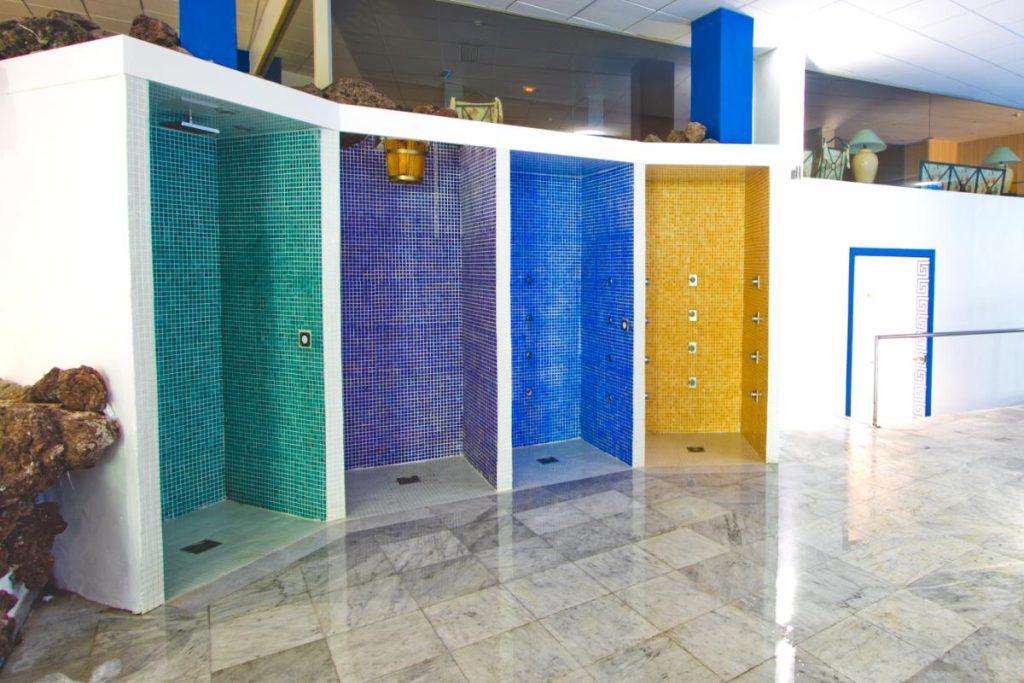
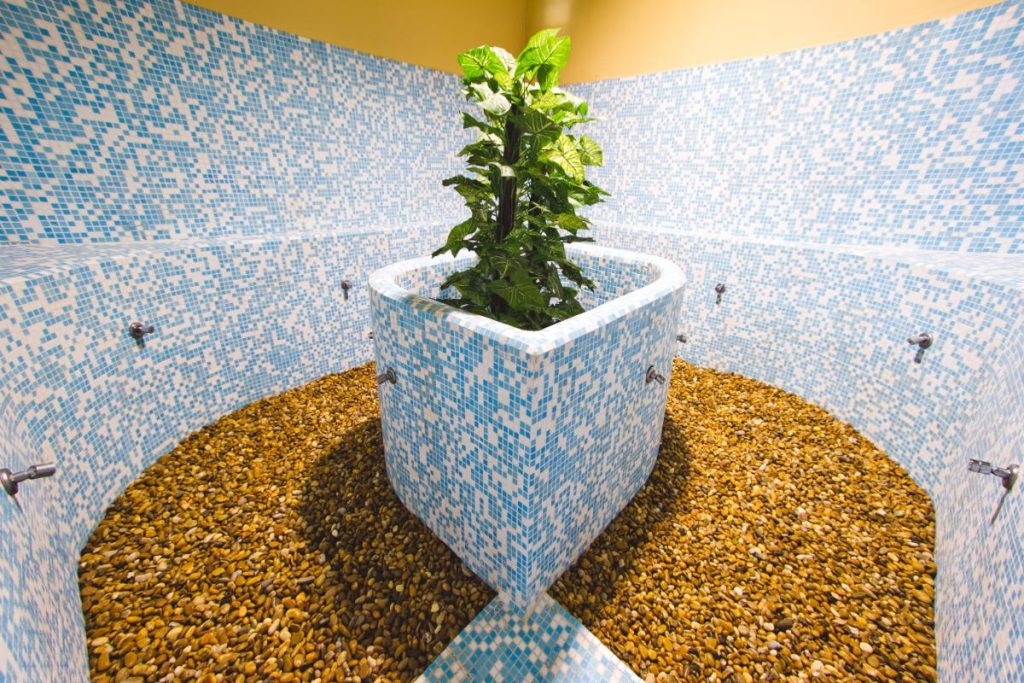
In a spa in Tenerife, it is common to find interior gardens, sea views, volcanic stones or fountains that incorporate moving water. These elements are not only aesthetic: they stimulate the senses and remind us of the connection between body, mind and environment.
Spending time outdoors, especially in places like Mount Teide, the coast or the island’s forests, has proven mental health benefits. Even in enclosed spaces, including plants, materials such as wood or stone, and natural light can generate a more organic and relaxing atmosphere. In the end, the more contact we have with nature, the easier it will be to reach a state of deep calm.
Design and distribution of space
The order, spaciousness and distribution of furniture directly influence how we perceive a place. A saturated environment, with unnecessary objects or without aesthetic coherence, can generate visual and mental stress. On the other hand, a well-designed space promotes mobility, breathing, and a sense of freedom.
In a spa, the layout is not left to chance: each corner has a clear function and is designed to facilitate the flow of experience. Understanding how the environment influences your relaxation includes understanding that physical comfort and visual harmony work together to create well-being.
In Tenerife, spas take advantage of open architecture to integrate panoramic views and natural ventilation. At home, the same principle can be applied by simplifying the decoration, avoiding accumulations and choosing comfortable and functional furniture. Keeping spaces tidy and clean is one way to reduce the mental load and allow the body to relax more easily.
Conclusion
The real magic of a relaxing environment is that its benefits can be prolonged over time if we learn to recreate them. Understanding how the environment influences your relaxation allows us to apply those principles in our day-to-day lives.
This can include creating a corner at home for meditation, using warm lighting in the evenings, playing sounds from nature while we work, or incorporating soothing scents into your nighttime routine. The goal is for well-being not to depend exclusively on one place, but to become a habit.
When we learn to surround ourselves with positive stimuli and avoid those that generate tension, relaxation ceases to be an occasional luxury and becomes a more constant state. In short, the environment is not just a stage: it is a powerful tool that, if used well, can improve our quality of life significantly.