
Breathing Techniques You Can Apply in a Spa Circuit
Index
Enjoying a spa circuit is a profoundly revitalizing experience for the body, but we often forget the role that the mind and breath play in this process. Incorporating proper breathing techniques into the different spa stations enhances the therapeutic benefits of water, heat, and rest. Through conscious and controlled breathing, you can achieve a much deeper state of physical and emotional well-being.
This article will guide you through different breathing techniques that are easy to apply within the spa circuit, from the steam bath to the relaxation area. If you learn to breathe with intention, you will turn your experience into a true ritual of self-care, balance and connection with your inner self.
Why Include Breathing Techniques in a Spa Circuit?
Breathing is a vital function that occurs automatically, but when it becomes a conscious act, it can completely transform our physical and emotional state. In a spa circuit, where the objective is to relax and release tension, breathing techniques help to enhance all the therapeutic effects of the environment.
When we breathe deeply, we activate the parasympathetic nervous system, which is responsible for rest and recovery. This activation helps slow down your heart rate, relax your muscles, and reduce levels of cortisol, the stress hormone. In this way, each spa station becomes an opportunity to heal.
In addition, many people do not know how to mentally “stop” during a spa circuit. The mind is still active and distracted. Breathing techniques are a simple tool to anchor attention to the present, increase body awareness and live the experience fully. You don’t need any previous experience or training in meditation: just commitment to yourself and your well-being.
Abdominal Breathing: Deep Relaxation from the Beginning
One of the best times to start applying breathing techniques is when you start your spa tour. Abdominal breathing, also known as diaphragmatic breathing, is ideal for introducing you to a state of calm and mental preparation before entering the heat or hydrotherapy facility.
To practice it, sit or lie down in the initial resting area. Place one hand on your abdomen and one on your chest. Inhale deeply through your nose, making sure your abdomen rises while your chest remains almost still. Exhale slowly through your mouth. Repeat continuously for a few minutes.
This type of breathing stimulates the vagus nerve, which helps regulate automatic body functions such as digestion, heart rate, and blood pressure. In addition, it provides an immediate sense of tranquility that facilitates better integration with the spa environment.
Using this technique before moving on to the steam room or sauna amplifies heat perception, improves circulation, and prepares your body to release toxins more effectively.
4-7-8 Breathing Technique: Balance During the Steam Bath
The steam bath is one of the most intense phases of the spa circuit, as it combines heat and humidity to open pores, activate circulation and eliminate toxins. However, some people may feel overwhelmed in this environment if they do not regulate their breathing. This is where one of the most powerful breathing techniques comes into play: the 4-7-8.
This technique was popularized by Dr. Andrew Weil and has immediate effects on the nervous system. It consists of inhaling through the nose for 4 seconds, holding the air in the lungs for 7 seconds and exhaling slowly through the mouth for 8 seconds. Prolonged exhalation induces deep relaxation.
By applying it in the steam bath, you will not only stay calm, but you will also avoid hyperventilating due to the sensation of heat. This technique also promotes a more efficient oxygenation of the tissues, enhancing the detoxifying effect of the vapor.
Do three or four cycles of this breath, then breathe normally for one minute and repeat. It’s a way to stay focused, balanced, and make the most of this stage.
Alternate Breathing (Nadi Shodhana) in the Relaxation Zone
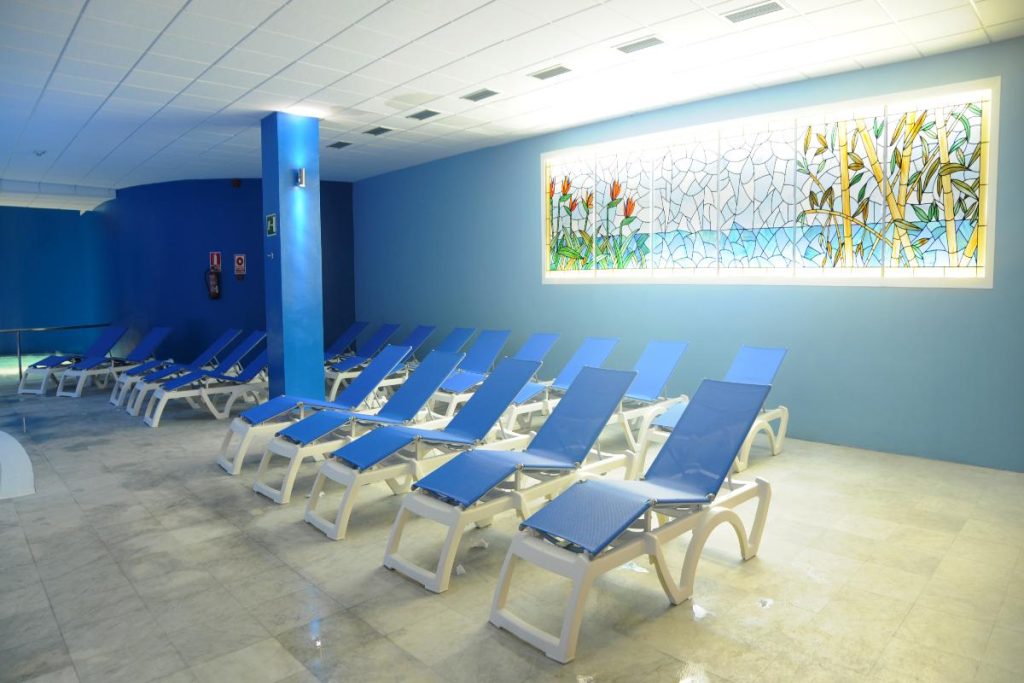
After the sauna or contrast pool, the body needs a moment of pause. The relaxation area is perfect for applying one of the most well-known yoga breathing techniques : Nadi Shodhana, or alternate breathing.
This technique has calming and harmonizing effects on the nervous system. It is performed by alternately covering the nostrils while breathing, which symbolizes the balance between the cerebral hemispheres. Sitting comfortably, cover your right nostril with your thumb and breathe through your left. Then, switch: cover your left and exhale through your right. This is how the cycle repeats.
Practicing Nadi Shodhana between thermal sessions helps restore internal balance, regulate vital energy (prana), and facilitate a sense of mental renewal. In addition, it improves concentration, ideal if you have gone to the spa not only to relax but also to meditate or reflect.
Just five minutes of this practice can completely change your perception of the environment and help you deepen your overall state of well-being.
Conscious Breathing in the Jacuzzi: Being Present
The jacuzzi is one of the most pleasant spaces on the spa circuit. The hot water, bubbles and natural body massage invite you to release physical tensions. However, it is very common for the mind to remain busy. This is where mindful breathing comes into play, one of the most accessible and transformative breathing techniques .
It does not require time control or specific postures. It simply consists of observing the breath as it is: inhaling and exhaling, noticing how the air enters and leaves the body. If you want, you can count your breaths from 1 to 10 and then start again. If your mind wanders, just count again.
The goal is to be present in the moment, without judging or analyzing. This type of breathing promotes mindfulness, reduces accumulated stress and allows you to connect more authentically with the sensory experience of water.
Conscious breathing enhances the relaxing effect of the jacuzzi and helps you let go of worries, creating a feeling of deep serenity that transcends the physical.
Integrating Breathing with Aromatherapy and Chromotherapy
Many modern spas combine sensory elements such as aromatherapy and chromotherapy to enhance their benefits. Breathing techniques become even more effective when integrated with these environmental stimuli.
In rooms where essential oils such as lavender, eucalyptus or peppermint are diffused, deep breathing allows for better absorption of the therapeutic properties. Slowly inhaling these scents while exhaling gently can cause an almost immediate change in your emotional state.
Chromotherapy, on the other hand, uses different colored lights that influence mood and energy. Breathing mindfully under blue (calm), green (balance) or lilac (spirituality) lights intensifies the experience of relaxation or introspection.
A simple exercise: inhale through your nose while observing a specific color and imagine that you fill your body with that energy. Exhale through your mouth, releasing any tension or thoughts. This synergy between color, aroma and breath turns the spa into a multi-sensory experience.
Tips for Getting the Most Out of Breathing Techniques
For breathing techniques to truly transform your visit to the spa, it is key to keep in mind some practical tips. First of all, don’t force yourself to do them all in one day. Choose one or two and practice them carefully. Consistency is more important than quantity.
Avoid taking very deep breaths if you’re dizzy or in areas of extreme heat without acclimatizing first. If you’re in the sauna or Turkish bath, start with normal breaths and gradually intensify.
Do not use your cell phone or other distractions during practice. Set aside those minutes for yourself, to reconnect with your body and mind. If you can close your eyes, even better: the breathing becomes more introspective.
Finally, remember that these techniques aren’t just useful in the spa. You can wear them into your everyday life: at home, in the office, or even during public transport. They are simple and powerful tools that are always with you.
Conclusion
Breathing techniques are a bridge between the physical body and the inner world. Applying them during a spa circuit transforms the experience of a simple relaxation session into a true act of integral healing. Breathing with awareness reminds us that each inhalation is an opportunity to renew ourselves, to release tensions and to rediscover ourselves.
Whether practicing abdominal breathing at the entrance, 4-7-8 in the steam bath, or simply being present in the jacuzzi, integrating these techniques raises the level of well-being significantly. The next time you visit a spa, don’t just take in the benefits of the environment: actively engage with your breath and turn your visit into a journey towards balance and peace.