
Benefits of Chromotherapy
Index
The connection between colour and well-being
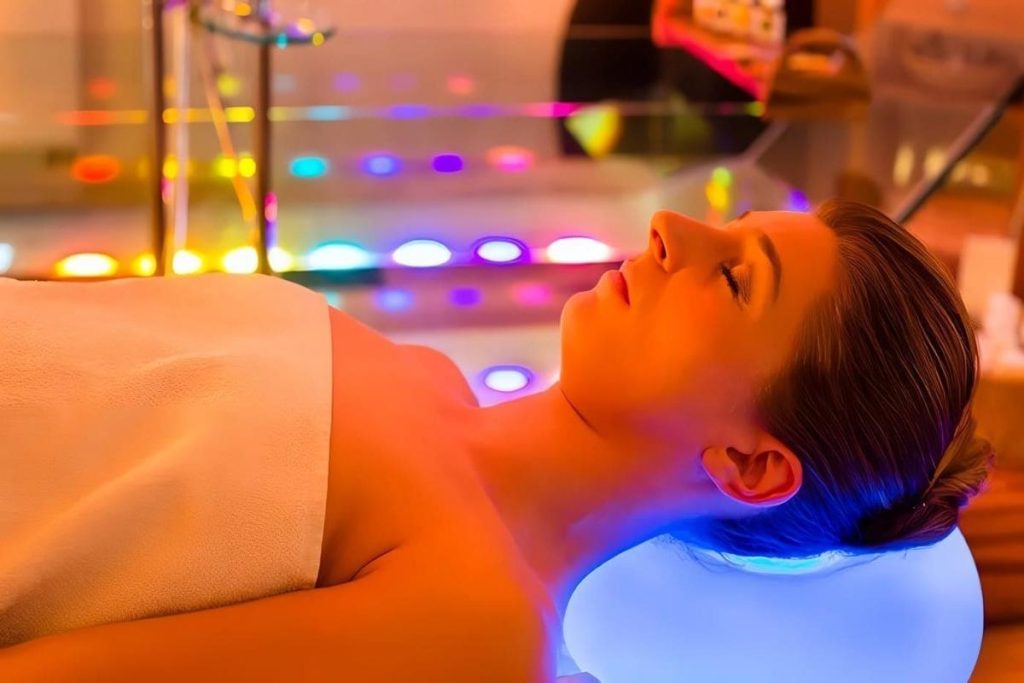
Since ancient times, colors have been present in rituals, healing practices, and artistic expressions as symbols of energy and transformation. Chromotherapy, also known as color therapy, is based on the idea that each hue exerts a particular influence on the body, mind, and emotions. This technique, today, is applied in spas and wellness centers around the world as a natural and non-invasive resource to improve quality of life.
In Tenerife, a destination renowned for its balance between nature and relaxation, chromotherapy has gained ground as part of the sensory experiences offered by spaces dedicated to personal care. This is not a fad, but a discipline that combines ancient knowledge with modern research on the psychology of color and its physiological effects.
The benefits of chromotherapy are multiple: from relieving stress and promoting mental calm, to stimulating vitality and improving sleep quality. Each session with colors can become a journey towards inner harmony, allowing people to reconnect with themselves and find a space of balance in the midst of the fast pace of modern life.
This article will explore in depth what chromotherapy is, how it works, which colours provide specific benefits and how to integrate it into different contexts to enhance personal well-being.
What is chromotherapy and how does it work?
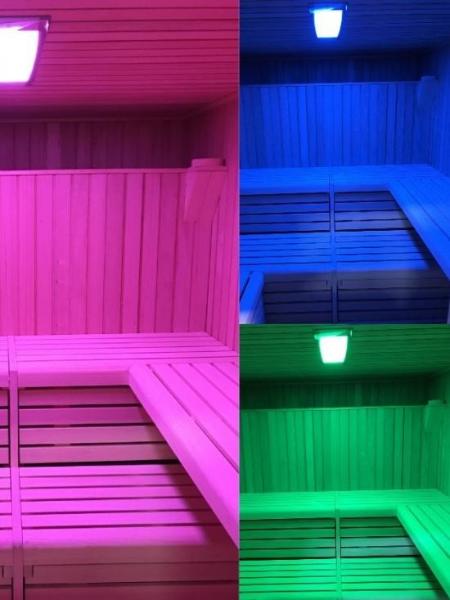
Chromotherapy is an alternative therapy that uses the projection of colors onto the body or environment to generate physical, emotional, and mental responses. Its basis lies in the fact that each color has a different wavelength and, therefore, an energetic vibration capable of interacting with the human body. These vibrations influence both mood and biological processes, helping to restore natural balance.
In practical terms, chromotherapy can be applied through light lamps, colour baths, colour filters, LED projectors or even through environments designed with specific shades. For example, a room lit with blue can induce tranquility, while a space with a predominance of orange tones can stimulate vitality.
The scientific basis behind the benefits of chromotherapy lies in neuroscience and color psychology. Numerous studies show how color perceptions influence the production of neurotransmitters, heart rate or the level of cortisol in the blood. Although more clinical research is still required to consolidate its status in conventional medicine, the truth is that as a complementary therapy it offers enormous potential to improve quality of life.
In short, chromotherapy acts as a bridge between the visual environment and holistic health, allowing people to experience positive changes through the energy of colors.
Colors that heal: the meaning of each shade
Each color has a unique impact on the mind and body, which explains why they are used selectively in chromotherapy sessions. Understanding the meaning of shades is essential to making the most of the benefits of chromotherapy.
Blue: associated with calm and serenity, it reduces stress and helps you fall asleep. It is also used to relieve headaches and improve concentration.
Green: color of balance and nature, ideal for reducing tension, regulating blood pressure and promoting a feeling of emotional stability.
Red: symbol of vitality and energy, stimulates circulation, increases body temperature and can help in cases of fatigue or lack of motivation.
Yellow: related to creativity and mental clarity, facilitates learning and stimulates communication. It is also associated with the digestive system.
Orange: combines the energy of red and the warmth of yellow, bringing enthusiasm and optimism. It is recommended in states of apathy or sadness.
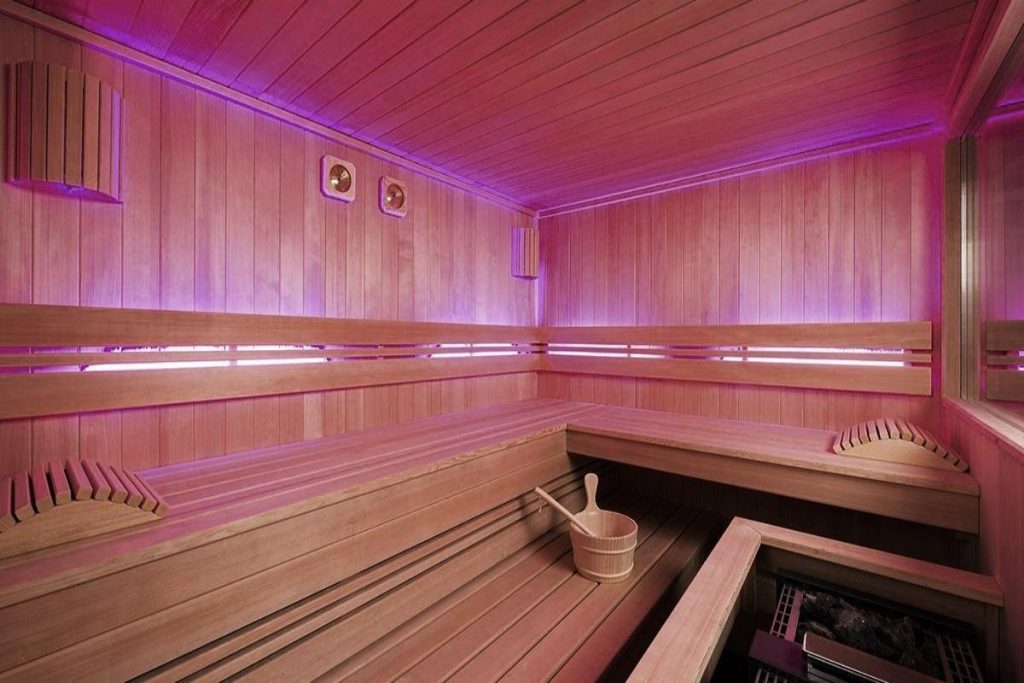
Violet: promotes introspection and spirituality, helps in meditation processes and is used to calm deep anxiety.
By choosing the right colors according to each person’s needs, chromotherapy offers a personalized path to harmony. This chromatic selection turns each session into a unique experience of healing and self-knowledge.

Benefits of Chromotherapy for the Mind
One of the most recognized aspects of chromotherapy is its ability to improve mental and emotional state. The benefits of chromotherapy in this area are especially useful for people who suffer from stress, anxiety or insomnia. By interacting with the nervous system, colors generate reactions that promote relaxation or arousal, depending on the shade used.
Blue and green, for example, reduce the heart rate and promote the production of serotonin, which generates calm and serenity. This is ideal for those looking to disconnect from the routine and regain peace of mind. On the other hand, colors such as yellow and orange stimulate creativity and motivation, being valuable tools in personal growth processes or in work activities that require concentration.
In addition, chromotherapy can be used as a support in psychological therapies, as it enhances the patient’s emotional disposition and facilitates openness towards introspection processes. In meditation settings, colors act as visual anchors that allow you to deepen your state of mindfulness.
In short, the benefits of chromotherapy for the mind translate into greater emotional balance, a significant reduction in psychological tension and a positive impulse towards integral well-being.
Benefits of Chromotherapy for the body
The influence of colors is not limited to the emotional plane, it also has notable effects on physical health. The benefits of chromotherapy in the body include improving blood circulation, stimulating the immune system, and relieving muscle aches.
The color red, for example, activates vital energy and is used in therapies aimed at combating fatigue or stimulating cell regeneration. Blue, on the other hand, has anti-inflammatory and analgesic properties, so it is used to soothe chronic pain or relieve muscle discomfort. Green acts as a regulator, helping to stabilize blood pressure and reinforcing the feeling of physical well-being.
Another outstanding advantage of chromotherapy is its ability to promote rest. Blue or violet light before bed helps relax the nervous system and prepares the body for restful sleep. Likewise, in post-surgical recovery processes, colors are applied as a support to accelerate healing and improve the immune response.
Chromotherapy, therefore, becomes an ally to take care of the body in a natural and complementary way, providing energy and balance to those who seek a comprehensive form of well-being.
Chromotherapy and its integration with other wellness therapies
One of the greatest attractions of chromotherapy is its versatility, as it can be combined with other therapies to enhance its effects. When combined with aromatherapy, colors and scents work together to induce a deep state of relaxation. A space lit with green light and a lavender scent, for example, is ideal for reducing anxiety.
During a therapeutic massage, the projection of warm tones such as orange or red intensifies the feeling of vitality and helps to release muscle tension. In yoga or meditation sessions, the use of colors such as violet or deep blue reinforces concentration and facilitates spiritual connection.
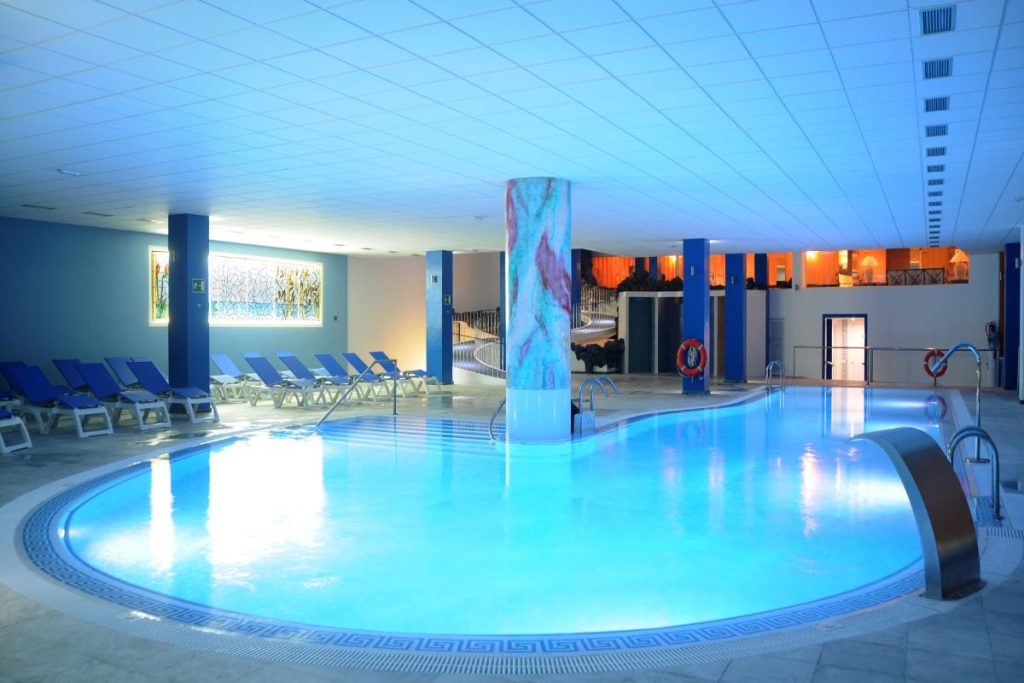
Music therapy is another discipline that benefits from chromotherapy, creating environments where sound and color complement each other to induce positive emotional states. Even techniques such as hydrotherapy have incorporated LED light sets in pools or hot tubs to provide multisensory experiences.
In this way, the benefits of chromotherapy are not limited to an isolated application, but can be multiplied when integrated with wellness practices, offering more complete and transformative results.
Tips to get the most out of chromotherapy
To obtain the best results, it is important to apply chromotherapy consciously and adapted to the needs of each person. A key tip is to identify which area of well-being you want to work on: if you are looking for calm, it is advisable to resort to cool tones such as blue; If energy is needed, warm tones such as red or orange will be more effective.
Consistency is also essential. Although a single session can produce immediate effects, the benefits of chromotherapy are enhanced with continuous practice. For this reason, many people incorporate chromatic lamps at home, use programmable LED bulbs or create relaxation corners with specific colors.
Another recommendation is to combine chromotherapy with healthy habits, such as daily meditation, a balanced diet and physical exercise. These factors multiply the impact of color therapy and allow you to maintain a state of comprehensive well-being.
Finally, it is important to be guided by professionals in wellness centers or spas, especially in the first experiences, since they know how to adapt the intensity, duration and color combination to each individual need.
Conclusion: A journey of light and balance
Chromotherapy is much more than an aesthetic resource; It is a powerful tool that uses colors as a bridge to physical, mental, and emotional harmony. The benefits of chromotherapy range from stress reduction to boosting vitality, offering a natural path to balancing personal energy.
In Tenerife, where nature and well-being merge in every corner, this technique finds a privileged space to develop. Both in specialized spas and in everyday life, chromotherapy invites us to discover how light and color transform our relationship with the environment and with ourselves.
To try this therapy is to start a journey towards inner balance, a reminder that well-being can also be achieved through the simplicity of colors. An experience that opens the door to a more conscious, harmonious lifestyle full of positive energy.