
Mindfulness: Living the Moment Fully
Index
What is Mindfulness and what is its origin
Mindfulness has become one of the most valued practices in the world of well-being. Its closest translation is “mindfulness”, and it consists of training the mind to concentrate on the present moment, without judgment or distractions. Although today we see it as a modern technique, in reality its roots go back thousands of years, especially to the Buddhist tradition and its meditation teachings.
For centuries, in the East, it was practiced as a path to inner peace and spiritual connection. However, at the end of the twentieth century it began to become popular in the West thanks to experts such as Jon Kabat-Zinn, who developed clinical programs based on Mindfulness to reduce stress. Since then, the practice has expanded to hospitals, universities, workplaces and spas, becoming an accessible tool for anyone.
The main concept is simple but powerful: stop living on autopilot. Many times we perform tasks without being aware, worried about the future, or stuck in the past. Mindfulness invites us to regain the ability to enjoy what is happening here and now, from a meal to a conversation or a walk.
This approach not only transforms the mind, but also the way we relate to our environment. Practicing mindfulness means opening up a space of calm in the midst of everyday noise, making it an essential pillar of modern well-being.
Why Mindfulness has become a global trend
Today, millions of people around the world practice mindfulness. Its rise is not a passing fad, but a response to an increasingly fast-paced and stressful lifestyle. Modern society demands constant productivity, digital hyperconnection and fragmented attention. As a result, levels of anxiety, insomnia, and emotional exhaustion have increased. Faced with this panorama, Mindfulness offers a simple and natural refuge.
Renowned companies, such as Google or Apple, have incorporated mindfulness programs to improve the well-being of their employees. In hospitals and clinics, it is used as a complement to medical treatments to manage chronic pain, depression or anxiety disorders. Even in schools, children learn to breathe consciously to improve their concentration and reduce impulsivity.
Another reason for its popularity is that it does not require large resources. Practicing mindfulness is possible anytime, anywhere: during a walk, in the office, or even at home. This makes it accessible to all types of people, no matter their age or lifestyle.
In addition, numerous scientific studies have shown its benefits. This has given credibility to a practice that was previously seen only as a spiritual discipline. Today, it is understood as a science-based tool that improves both physical and emotional health.
Mindfulness has become a universal ally to find balance in a world that rarely stops.
Benefits of Mindfulness for Body and Mind
The benefits of Mindfulness are so broad that they range from physical health to emotional well-being. One of its most recognized advantages is stress reduction. By training the mind to focus on the present, repetitive thoughts and feelings of being trapped by worries decrease.
On a physical level, practicing mindfulness helps regulate blood pressure, improves the immune system and promotes a more restful rest. Scientific studies have shown that those who practice mindfulness frequently have lower levels of cortisol, the stress hormone.
On the mental side, the benefits are just as remarkable. It promotes concentration, memory and the ability to make decisions clearly. It also helps to recognize and manage emotions without getting carried away by them. In this way, those who practice it develop greater resilience in the face of the difficulties of daily life.
Another important benefit is its impact on emotional health. Consistent mindfulness practice fosters a more compassionate relationship with oneself and others. We learn to observe our thoughts without judging them and to accept reality as it is, reducing frustration and anxiety.
Whether in the work, family or personal sphere, Mindfulness offers valuable tools to live with greater balance. It is not only about meditating, but about training the mind to live serenely in any circumstance.

Simple Mindfulness Exercises You Can Practice Today
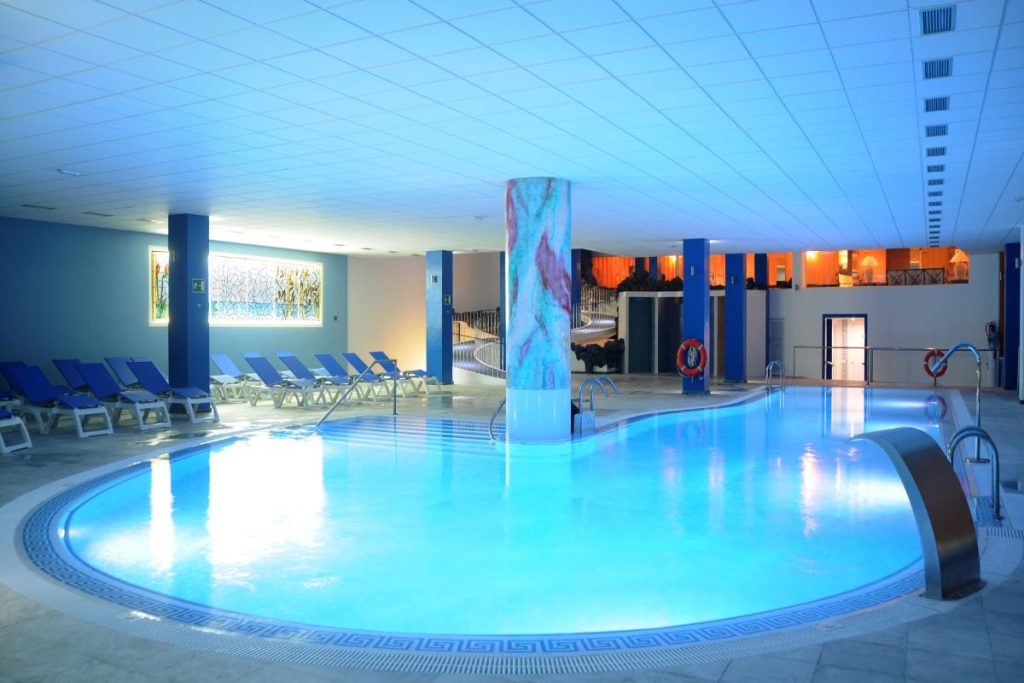
One of the advantages of Mindfulness is that it can be practiced without the need for previous experience or long meditation sessions. There are simple exercises that anyone can incorporate into their daily life to start experiencing their benefits.
The first is conscious breathing. It consists of closing your eyes, inhaling deeply and exhaling slowly, paying attention to the path of air through the body. A few minutes a day is enough to reduce the heart rate and relax the mind.
Another very useful exercise is the body scan. It is performed lying down or sitting, bringing attention to each part of the body, from the feet to the head. This helps to detect accumulated tensions and release physical stress.
Mindful eating is another recommended practice. It is about eating slowly, savoring each bite, observing colors, textures and aromas. This technique not only improves digestion, but also enhances the relationship with food.
You can also practice Mindfulness by walking. Instead of rushing, the focus is on each step, on the sensation of the feet touching the ground and on the rhythmic breathing.
These small exercises show that Mindfulness is not a complicated activity or reserved for experts. With just a few minutes a day, anyone can train their mind to enjoy the present more and less worries.
Mindfulness in everyday life: living with mindfulness
The true power of mindfulness lies in its application to daily life. Beyond formal meditation sessions, it’s about learning to live mindfully in each moment. This means doing any activity mindfully, from brushing your teeth to chatting with a loved one.
In the workplace, applying Mindfulness helps to better manage workloads and reduce the feeling of exhaustion. Taking conscious breaks during the day, taking deep breaths or disconnecting from your mobile phone for a few minutes can make a big difference.
In personal relationships, mindfulness encourages active listening and deeper bonding. Being present in a conversation means putting aside distractions and focusing on the other person. This strengthens empathy and communication.
Even routine activities such as cooking, cleaning, or driving can be transformed into moments of mindful practice. Just pay attention to the sensations, sounds, and movements.
Mindfulness in everyday life does not require extra time, but a different attitude to what we already do. It is about replacing haste and autopilot with a fuller connection with the present. With this, the quality of life improves significantly, since every moment is more enjoyable.
The connection between Mindfulness and the spa experience
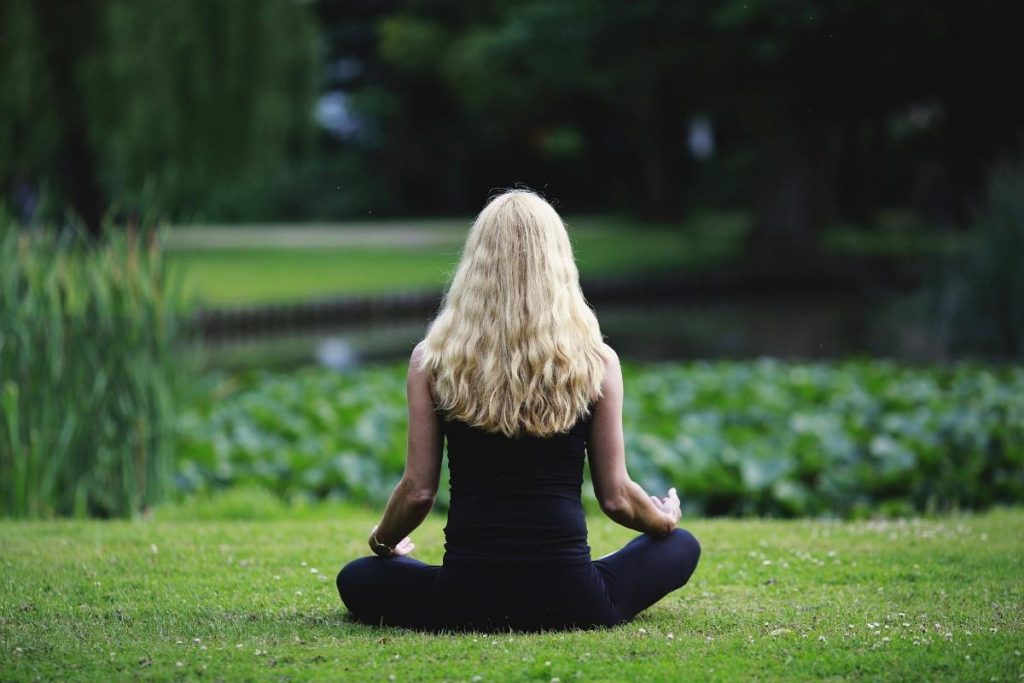
A spa is an ideal place to promote the practice of mindfulness. These spaces are designed to promote relaxation, calm, and balance, making them perfect settings for training mindfulness.
During a massage, for example, you can practice mindfulness by focusing on each movement, the pressure of the hands on the skin and the sensation of muscle release. This transforms the experience into something much deeper than a simple physical treatment.
Water therapies, such as hot tubs or whirlpool baths, also invite mindfulness. The sound of water, temperature and bubbles become sensory anchors that help connect with the present.
In addition, spas are often surrounded by natural environments or quiet environments that favor meditation. Practicing mindfulness in a spa not only enhances momentary well-being, but also teaches the visitor to integrate this care into their daily lives.
Therefore, each visit to a spa can become a workout to live more calmly. It is about learning to fully enjoy the here and now, enhancing the benefits of both the treatment received and Mindfulness.
Mindfulness as a tool in the face of modern stress and anxiety
We live in a society in which time seems not to be enough. Full schedules, constant connection to electronic devices, and work pressure make stress and anxiety common problems. In this context, Mindfulness emerges as an effective tool to regain calm.
Unlike other methods, it’s not about escaping stress, but about changing the way we relate to it. Practicing mindfulness allows you to observe your thoughts and emotions without getting swept up in them. This helps to reduce the intensity of anxiety and to respond more balanced to daily challenges.
Numerous studies have shown that mindfulness decreases the symptoms of depression and improves the quality of sleep. It also contributes to increasing emotional resilience, i.e. the ability to bounce back in the face of difficult situations.
In a hyperconnected world, where it is common to feel overstimulated, training the mind to focus on the present is an invaluable resource. More and more health professionals are recommending incorporating the practice of mindfulness as part of a comprehensive self-care routine.
The result is a life with less anxiety, more emotional stability, and a greater ability to enjoy the simple moments.
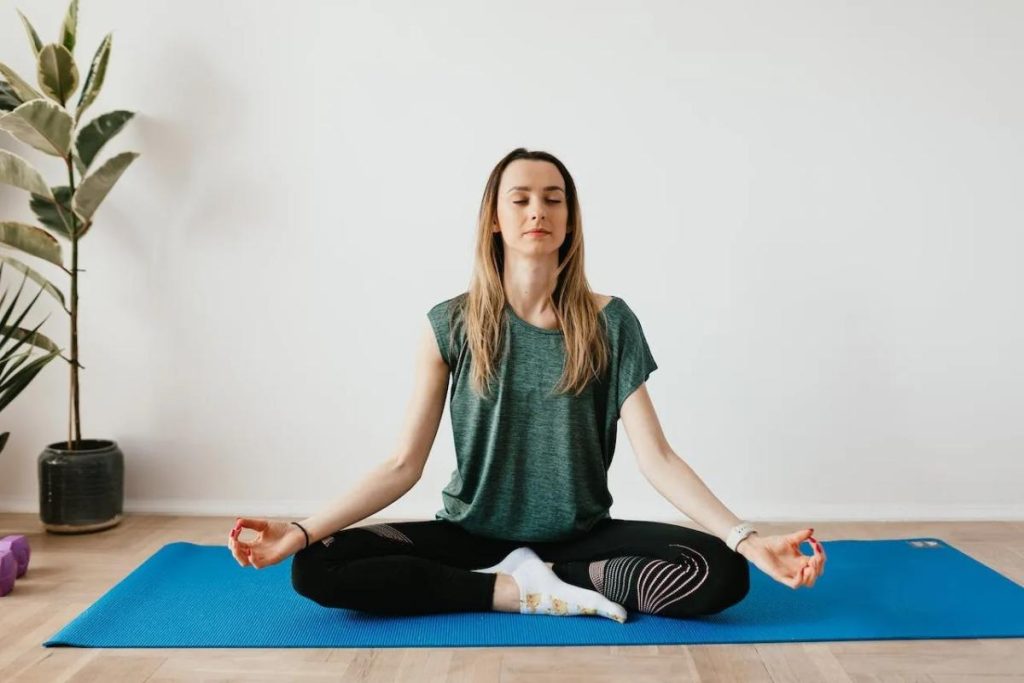
Mindfulness in Tenerife: wellness tourism in the middle of nature
Tenerife is not only a destination of beaches and spectacular landscapes, it is also an ideal place to practice mindfulness. The island offers a unique natural environment that invites calm and disconnection. Walking through the forests of Anaga, contemplating the sunsets on Mount Teide or listening to the sound of the sea are experiences that become exercises in mindfulness.
In addition, Tenerife has a wide range of spas and wellness centres that combine traditional techniques with the philosophy of Mindfulness. In them, visitors can enjoy relaxing massages, water circuits and therapies designed to connect body and mind.
Wellness tourism on the island is booming because it responds to a growing need: not only to rest, but to return refreshed and with tools to live better. Practicing Mindfulness during your stay in Tenerife allows you to take away more than just memories, a real personal transformation.
Whether enjoying a treatment in a spa, practicing yoga in front of the sea or simply observing the starry sky, Tenerife becomes the perfect setting to reconnect with yourself. Mindfulness here is not just a practice, it is a comprehensive experience that unites nature, health and fulfillment.