
5 Scientific Reasons to Slow Down

Index
Why It's Vital to Slow Down Today
We live in an era marked by immediacy, hyperconnectivity and constant productivity. Planners are getting fuller, devices aren’t turning off, and the feeling that there’s not enough time has become a norm. However, multiple studies show that this constant acceleration has a high cost on our physical, mental and emotional health. In this context, Slowing Down is no longer just a whim or a wellness fad: it is an urgent need with solid scientific foundations.
Practicing slowing down does not mean abandoning responsibilities, but learning to prioritize rest, mindfulness, and balance. In fact, many current ailments – such as insomnia, anxiety or digestive problems – are directly related to a fast-paced lifestyle. Adopting practices that invite us to slow down can be the difference between a life of chronic stress and a full, healthy existence.
Throughout this article, we’ll explore five scientific reasons that demonstrate why slowing down is so important, as well as the role a spa in Tenerife can play as an ideal space to facilitate this transformation.
The Brain Needs Breaks: Impact on Mental Health
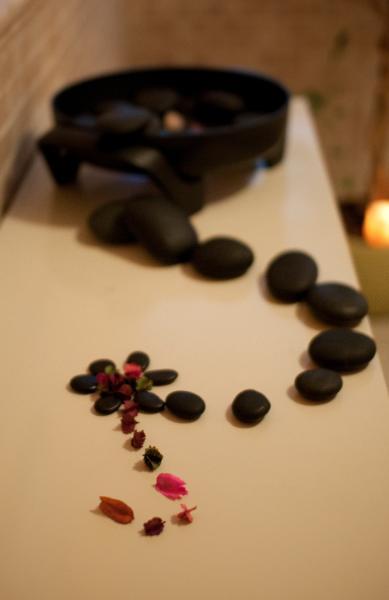
One of the organs most affected by the accelerated pace of life is the brain. Despite its amazing processing capacity, the human brain is not designed to sustain high levels of continuous stimulation. When we do not allow breaks throughout the day, the risk of anxiety, irritability, mental fatigue and even cognitive impairment in the long term increases.
Slowing down allows the brain to process information more efficiently, consolidate memories, and restore its energy levels. Mindful breaks, such as meditation, slow walks, or relaxing baths, promote neuroplasticity and improve focus. A study published in the journal Nature Reviews Neuroscience showed that periods of brain rest increase connectivity between different brain regions, strengthening our problem-solving skills and creativity.
In addition, slowing down helps decrease levels of cortisol, the stress hormone, and increases the production of neurotransmitters such as serotonin and dopamine, essential for emotional well-being. In short, if we want a clear, stable and resilient mind, Slowing Down is essential.
The nervous system is better regulated in states of calm
The human body has an autonomic nervous system that regulates vital functions such as breathing, heart rate, and digestion. This system has two branches: the sympathetic, which activates alert and stress responses; and the parasympathetic, which promotes relaxation and recovery. Living constantly in a state of alert keeps the sympathetic system hyperactivated, which generates imbalances on a physical and emotional level.
Slowing down the pace favors the activation of the parasympathetic system. This means that the body can enter a state of deep rest where tissues are restored, cellular oxygenation is improved and the body’s defenses are strengthened. Practicing deep breathing, soaking in hot water, or getting a relaxing massage are all effective ways to activate this natural response of the body.
Research in neurophysiology shows that slowing down improves heart rate variability, a key indicator of nerve health. People with better variability are better able to adapt to stress and recover quickly. Therefore, if we want a balanced nervous system, Slowing Down is not optional: it is essential.

Slowing Down Improves Cardiovascular Health
Chronic stress and constant acceleration have a direct impact on heart health. Medical studies have shown that a rushed lifestyle increases blood pressure, elevates heart rate, and contributes to inflammation of blood vessels. All this significantly increases the risk of cardiovascular diseases such as hypertension, heart attacks or strokes.
Slowing down the Rhythm allows the heart to work more efficiently and regularly. By reducing stress levels, the production of adrenaline and cortisol decreases, which promotes a healthier environment for the circulatory system. Activities such as gentle yoga, deep rest, and thermal baths not only relax, but also regulate heart rates.
A publication in the Journal of the American Heart Association concluded that people who practice daily relaxation techniques have a 20% lower risk of suffering a cardiac event. This confirms that living in less haste not only improves how we feel, but can literally save our lives. If we want to take care of our heart, slowing down should be a daily priority.
Digestion and metabolism are calmly optimized
Digestion is a process profoundly influenced by the emotional and nervous state of the body. When we are in stress mode, the body redirects energy to the muscles and brain, leaving functions such as digestion in the background. This causes problems such as heartburn, heavy digestion, constipation or irritable bowel syndrome.
On the contrary, Slow Down allows the digestive system to operate in optimal conditions. Eating slowly, quietly, chewing properly and in a relaxed environment promotes the secretion of digestive enzymes and the absorption of nutrients. In addition, a slower pace of life improves the hormonal balance related to metabolism, helping to maintain a healthy weight without the need for extreme diets.
Science has also linked rest and relaxation to the health of the gut microbiota, which is key to immunity and overall well-being. All this shows that in order to have efficient digestion and an active metabolism, what we eat is not enough: how we live matters equally or more. Therefore, Slow Down is an act of love towards the digestive system.
Supports longevity and prevents premature aging
Chronic stress accelerates aging at the cellular level. Every time we experience high-stress situations, free radicals are released and inflammatory processes are activated that damage our cells. In the long term, this translates into premature wrinkles, memory loss, degenerative diseases, and a weakened immune system.
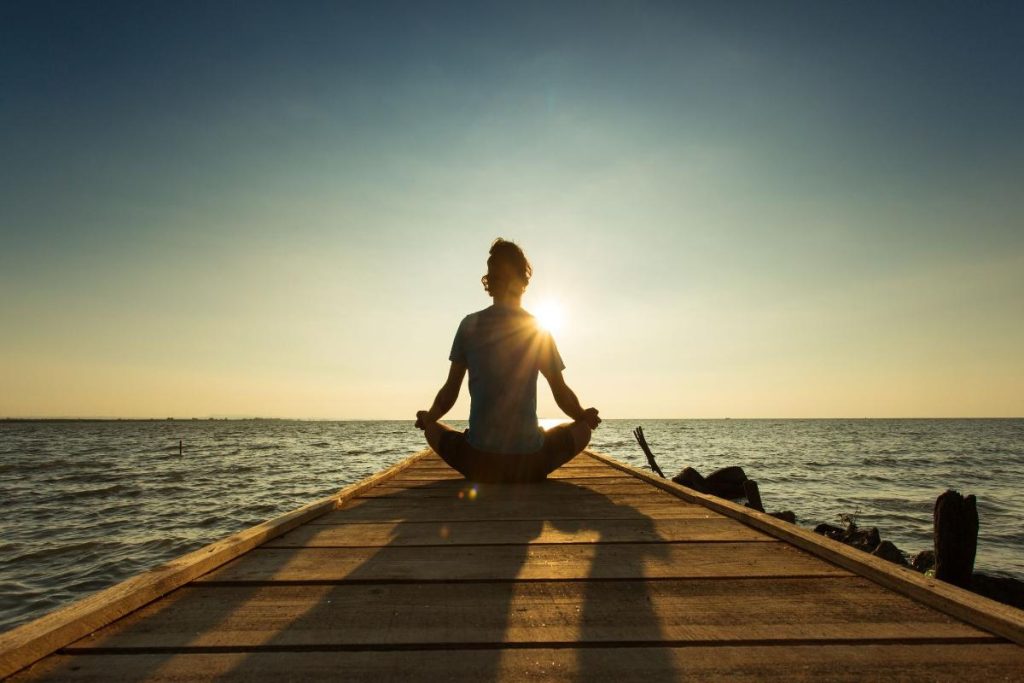
Numerous studies in epigenetics have shown that slowing down activates genes related to longevity. Practices such as meditation, deep rest, and connecting with nature reduce cellular wear and tear, protect telomeres (the ends of DNA), and delay the visible, silent signs of aging.
A slower lifestyle also promotes greater production of melatonin, a hormone that not only regulates sleep, but also has potent antioxidant properties. Thus, living calmly not only feels good, but literally helps us live longer and better. In this sense, Slow Down is also a preventive strategy to keep us young inside and out.
The Role of a Spa as a Therapeutic Space to Slow Down the Pace
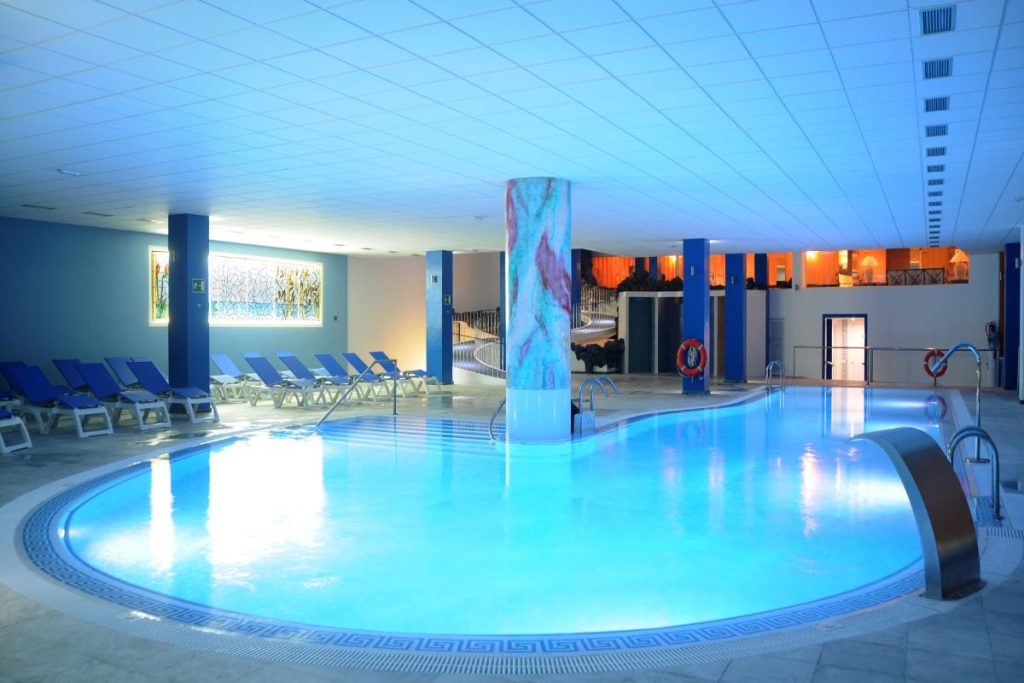
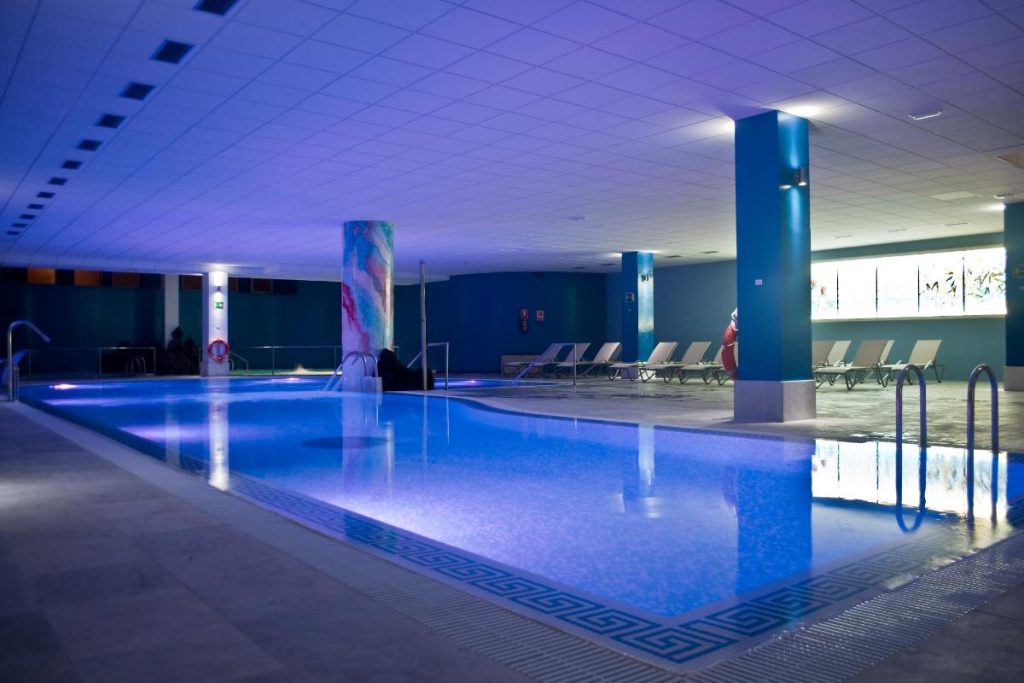
Spas are not simply places of luxury or recreation, but therapeutic environments specifically designed to facilitate deep rest and regeneration. In a spa in Tenerife, for example, it is possible to find treatments based on scientific principles of well-being: hydrotherapy, neurosensory massages, aromatherapy, chromotherapy and mindfulness techniques, among others.
These experiences help slow down by creating ideal conditions to activate the parasympathetic system, improve circulation, calm the mind, and revitalize the body. The simple act of disconnecting from the usual environment and immersing yourself in a space designed for calm has an immediate effect on our stress levels.
In addition, spas offer a holistic approach to wellness that goes beyond physical treatment, promoting a reconnection with oneself. In a fast-paced world, treating yourself to a few hours in a spa is a smart move, backed by science and common sense. It is the ideal place to cultivate the art of Slow Down and rebalance body, mind and emotions.
Becoming aware to transform well-being
Science has made it clear that living in an accelerated way is not sustainable or healthy. The human body needs breaks, rest, and quiet moments to function properly. From mental and cardiovascular health to digestion and longevity, all systems in the body benefit when we learn to slow down.
Incorporating habits that help us slow down, such as going to a spa, practicing mindful breathing, or simply slowing down our daily routines, can have a profound impact on our overall well-being. It is not about doing less, but about living with more intention and balance.
So the next time you feel like life is going too fast, remember: Slowing down isn’t a waste of time, it’s an investment in health, happiness, and quality of life. The time to start is now.